
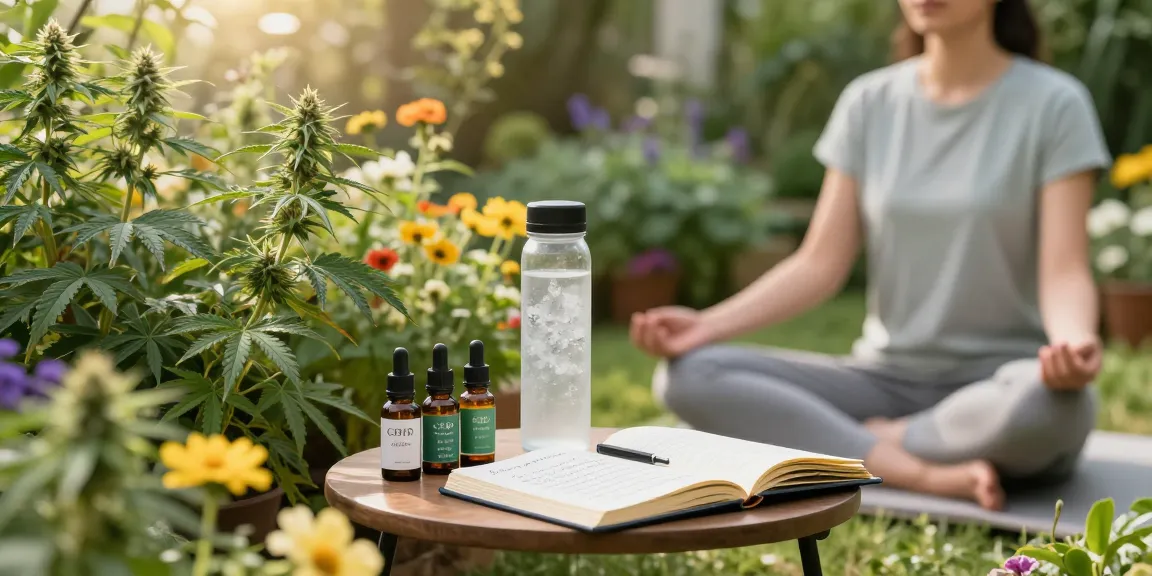
Understanding the Health Benefits of CBD
As the wellness industry continues to evolve, more individuals are turning to Cannabidiol (CBD) as a natural, holistic solution for various health concerns. CBD offers myriad potential health benefits, thanks largely to its interaction with the body’s endocannabinoid system (ECS). The ECS plays a pivotal role in regulating numerous physiological processes, including pain perception, mood, sleep, appetite, and immune response. Various studies have pointed to CBD’s promise in alleviating anxiety and stress, improving sleep quality, and supporting overall well-being.
When exploring options, collezione Ministry cannabis provides comprehensive insights into quality cannabis seeds available for collection and preservation. These seeds can be beneficial for those wanting to explore the potential health advantages of cannabis without the legal implications of cultivation.
How CBD Supports Overall Well-Being
CBD interacts with the ECS to help maintain homeostasis, affecting various bodily functions. This interaction may lead to a reduction in discomfort, a calming effect on the mind, and improvements in mood fluctuations. Users often report a heightened sense of well-being, making CBD a popular choice for those seeking natural wellness solutions.
Therapeutic Applications of CBD Products
Various therapeutic applications of CBD have garnered attention, including its potential to alleviate anxiety, reduce chronic pain, enhance sleep quality, and contribute to post-workout recovery. Research indicates that CBD may modulate serotonin levels, leading to improved mood and decreased anxiety. Additionally, its anti-inflammatory properties show promise for those managing chronic pain and conditions like arthritis.
Evidence-Based Research on CBD Efficacy
A growing body of evidence suggests the efficacy of CBD in multiple areas. Clinical trials have indicated that CBD may significantly reduce anxiety levels, while studies focusing on its anti-inflammatory effects provide support for its pain relief potential. Furthermore, research on CBD’s impact on sleep indicates it may enhance overall sleep quality and decrease nighttime awakenings.
Exploring Different CBD Product Types
The variety of CBD products available can be overwhelming, and understanding the differences is essential for informed choices. CBD oils and tinctures offer direct sublingual absorption, while edibles and topicals provide alternative delivery methods. Each product type has unique characteristics regarding onset time, dosing, and effect duration.
Oils vs. Edibles: What’s Right for You?
CBD oils and tinctures allow for quick absorption with effects typically felt within 15 to 30 minutes. They are often considered ideal for users seeking rapid relief. In contrast, edibles, such as gummies or beverages, undergo digestion and may take longer to produce effects, usually ranging from 30 minutes to 2 hours. These products offer a discreet consumption method and are often preferred for their taste.
Topicals and Vapes: Quick Relief Options
Topical formulations, including creams and balms, can deliver localized relief and may be suitable for muscle or joint discomfort. Vaporizers and vape pens offer an immediate effect, making them popular among users seeking quick relief. However, it is vital to be aware of the health implications associated with vaping, as the long-term effects are still under study.
Understanding Full-Spectrum and Isolate Products
CBD products can be categorized into three types: full-spectrum, broad-spectrum, and isolates. Full-spectrum extracts contain all cannabinoids, including trace THC levels, which may enhance the therapeutic effects through the entourage effect. Broad-spectrum products provide a similar benefit without THC, while isolates contain only CBD, offering precise dosing but lacking additional compounds that may enhance benefits.
Guidelines for Safe and Effective Dosage
Determining the right dosage is critical for experiencing optimal benefits from CBD products. Each individual’s response can vary, necessitating a personalized approach. It’s advisable to start with a lower dose and gradually titrate until the desired effects are achieved.
How to Calculate Your Ideal CBD Dosage
Dosage can be influenced by factors such as body weight, metabolism, and the specific condition being addressed. A common recommendation is to start with 1-6 mg of CBD per 10 pounds of body weight, adjusting based on individual response and severity of symptoms.
Understanding Titration and Its Importance
Titration is the process of adjusting the amount of CBD consumed over time to find the optimal dose. This method promotes safety and helps users avoid adverse effects or under-dosing, ensuring that they receive the maximum benefit from their chosen product.
Signs of Overdose or Under-Dosing
Recognizing the signs of either overdose or under-dosing is essential. Symptoms of overdose may include dizziness, dry mouth, and sedation, whereas under-dosing could lead to a lack of desired effects. Monitoring your body’s response closely can help guide adjustments to your dosage plan.
Ensuring Product Quality and Safety
Quality assurance is crucial in selecting CBD products. Consumers should prioritize products that undergo third-party testing, guaranteeing that they meet specified purity and potency standards. Transparency in the manufacturing process and ingredient sourcing is also vital for consumer safety.
Importance of Third-Party Testing and COAs
Certificates of Analysis (COAs) provide detailed information regarding the product’s cannabinoid content and the presence of contaminants. Always ensure your chosen products have comprehensive COA reports available for review, providing peace of mind regarding the product’s quality and safety.
Recognizing Quality Indicators in CBD Products
When assessing quality, look for products made with hemp-grown using sustainable practices, organic certifications, and transparent labeling. Red flags include vague ingredient lists and the absence of COA documentation.
Legal Considerations in the 2026 CBD Landscape
As the legal landscape continues to evolve due to changes in legislation, particularly after the 2018 Farm Bill, it is important to understand the laws surrounding CBD in your area. Federal regulations state that hemp-derived CBD must contain less than 0.3% THC, but local laws can vary significantly.
Best Practices for CBD Storage and Usage
Proper storage of CBD products affects their shelf life and potency. Products should be stored in a cool, dark place, away from direct sunlight and humidity. Users should check expiration dates and follow manufacturer-recommended storage methods to maintain the quality of their CBD intake.
How to Ensure Shelf Life of CBD Products
The shelf life of CBD products can vary based on formulation and storage conditions. Oils generally last between 12 to 24 months, while edibles may have shorter lifespans due to their perishable ingredients. Keeping products sealed and stored as recommended is critical to prolong meeting their full efficacy.
Potential Interactions and Safety Warnings
While CBD is considered safe for most users, it can interact with certain medications, particularly those metabolized by the liver. Users taking blood thinners or medications for seizure disorders should consult a healthcare provider before starting a CBD regimen. Specific groups, including pregnant or breastfeeding individuals, should also exercise caution.
Industry Transparency: What Consumers Should Look For
Transparency is essential for ensuring product safety and quality in the CBD industry. Reputable brands should provide clear product labeling, including full ingredient lists, certified testing results, and information regarding sourced hemp quality.
What is CBD vs THC: Understanding the Differences?
CBD and THC are both cannabinoids found in cannabis, but they have significantly different effects. While THC is psychoactive and responsible for the “high” associated with marijuana, CBD is non-psychoactive and primarily used for its therapeutic benefits. Understanding these distinctions is crucial for responsible cannabis consumption.
Frequently Asked Questions
What are the best methods for consuming CBD?
The optimal method of consumption often depends on personal preference and desired effects. Oils and tinctures are popular for their quick absorption, while edibles provide a longer-lasting effect.
How do I choose a reputable CBD brand?
Review product sourcing, third-party testing results, and customer reviews to assess brand reputation. Avoid companies that do not transparently share this information.
Are there side effects to taking CBD?
CBD is generally well-tolerated, but some may experience side effects such as fatigue, dry mouth, or digestive changes. Consultation with a healthcare professional is advisable if potential side effects arise.
Is CBD legal in my state?
Cannabis laws vary by state, and it is crucial to research local regulations to understand the legality of CBD products in your area, especially considering varying THC limits.
How do I read a Certificate of Analysis (COA)?
Reading a COA requires understanding the cannabinoid profile, ensuring it shows the percentage of CBD and confirming that it is free from harmful contaminants. Any discrepancies between the COA and product labeling should raise flags for potential issues with quality or mislabeling.


