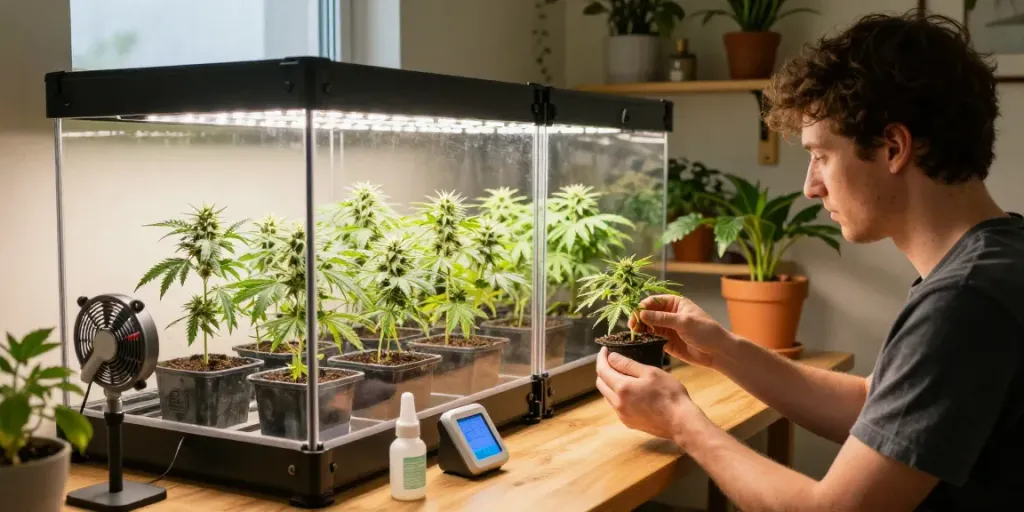
Understanding Autoflowering Cannabis Seeds
In the ever-evolving world of cannabis cultivation, autoflowering cannabis seeds have emerged as a favored choice among growers. These seeds represent a unique blend of genetics that allows cannabis plants to flower automatically, eliminating the need for intricate light manipulation. This characteristic appeals particularly to novice growers and those seeking quicker harvest times without sacrificing quality. As we delve deeper into the fascinating realm of autoflowering seeds, this article will elucidate their distinct features, advantages, and best practices for cultivation.
What Are Autoflowering Cannabis Seeds?
Autoflowering cannabis seeds are a specific type of seed derived from the Cannabis ruderalis variety. Unlike traditional photoperiod cannabis strains that require specific light cycles to initiate flowering, autoflowering strains transition from the vegetative stage to flowering based on their age. This predictable flowering behavior makes them a convenient choice for growers who may not want to monitor light schedules closely.
The core strength of autoflowering seeds lies in their ability to thrive in various environments and under varying conditions, making them suitable for indoor and outdoor cultivation. They generally flower within 8 to 12 weeks from germination, allowing for multiple harvests throughout the growing season.
Key Characteristics of Autoflowering Genetics
Growers appreciate autoflowering cannabis seeds for numerous key traits:
- Rapid Growth Cycle: Most autoflowering strains mature from seed to harvest in a remarkably short timeframe, often within 60 to 90 days.
- Compact Size: Many autoflower varieties grow smaller and more compact than their photoperiod counterparts, making them ideal for discreet cultivation in limited spaces.
- Resilience: These plants are well-regarded for their hardiness and ability to adapt to various environmental conditions, which can lead to successful grows in both indoor and outdoor settings.
- High Potency: Recent advances in breeding have led to autoflowering strains that boast impressive cannabinoid profiles, comparable to traditional strains.
Benefits of Choosing Autoflowering Strains
Choosing autoflowering cannabis seeds offers several compelling advantages for growers:
- Ease of Cultivation: The automatic flowering ability eliminates the complexities associated with light management, making them a great choice for beginners.
- Multiple Harvests: The quick turnaround time allows for staggered planting, enabling growers to enjoy multiple harvests in a single outdoor season.
- Versatile Growing Conditions: Autoflowering seeds can flourish in varied conditions, whether grown indoors or outdoors, in soil, or hydroponically.
- Easier Pest Management: Their shorter lifespan means that plants are exposed to pests and diseases for a shorter duration, reducing the risk of infestations.
Comparing Autoflowering with Other Seed Types
Autoflowering vs. Feminised Cannabis Seeds
Feminised cannabis seeds are bred specifically to produce female plants, eliminating the risk of male plants that can pollinate and reduce yield. In contrast, autoflowering seeds can be either feminised or regular, meaning they can produce male or female plants. However, the true advantage of autoflowering plants lies in their automatic flowering, which eliminates the need for light cycle management altogether.
Autoflowering vs. Regular Cannabis Seeds
Regular cannabis seeds can produce both male and female plants and require a light schedule to induce flowering. This method allows for breeding and seed production but necessitates more attention to plant sexing and light cycles. Autoflowering seeds, however, simplify the process, focusing on age rather than light cycles. Growers seeking ease and speed may prefer autoflowering strains, while those interested in breeding might opt for regular seeds.
Common Misconceptions About Autoflowering Seeds
Despite their growing popularity, several misconceptions about autoflowering seeds persist:
- Size Equals Quality: There is a false belief that autoflowering strains are always smaller and produce lower yields. Many modern autoflower genetics yield comparably to traditional strains.
- Always Feminised: While many autoflowering seeds are feminised, not all are. Regular autoflowering seeds can produce male plants.
- Limited Potency: The misconception that autoflowering strains are less potent has been debunked with numerous high-THC autoflowering strains available on the market.
Optimal Growing Conditions for Autoflowering Seeds
Best Soil Mixes for Autoflowering Strains
Choosing the right soil mix is crucial for cultivating healthy autoflowering plants. A well-structured soil mix should maintain moisture while providing adequate drainage. A blend of organic compost, peat moss, perlite, and vermiculite offers a balanced environment rich in nutrients while preventing root rot.
Light Requirements for Successful Growth
Although autoflowering plants do not require intricate light schedules, they still thrive under ideal lighting conditions. A consistent light exposure of 18 to 24 hours per day is optimal, allowing for vigorous growth. LED grow lights or fluorescent lights can provide adequate coverage without generating excessive heat.
Temperature and Humidity Considerations
Maintaining the right temperature and humidity levels is essential for the robust growth of autoflowering cannabis plants. Aim for daytime temperatures between 70°F to 85°F (21°C to 29°C) and nighttime temperatures that are slightly cooler. Humidity levels should be kept between 40% to 60% during the vegetative stage and reduced to 30% to 50% during flowering to prevent mold and mildew.
Practical Tips for Growing Autoflowering Cannabis Seeds
Step-by-Step Guide to Germination
- Begin by soaking your seeds in water for 12-24 hours to initiate the germination process.
- Prepare a growing medium and plant the seeds about 1/4 inch deep.
- Maintain a warm and humid environment to encourage sprouting; consider using a seedling heat mat.
- Once the seedlings emerge, ensure they receive adequate light and nutrients.
Watering and Nutrient Management
Overwatering is a common error among novice growers. For autoflowering seeds, it’s crucial to allow the top layer of soil to dry out before watering again. Nutrient management is equally important; begin with a light feeding schedule and gradually increase nutrients as the plants mature. Look for high-quality fertilizers designed for autoflowering strains to optimize growth.
Common Pests and How to Prevent Them
The short life cycle of autoflowering plants may help limit pest exposure, but vigilance is still necessary. Common pests like aphids, spider mites, and whiteflies can still pose a threat. Implementing preventive measures such as companion planting, regular inspections, and the use of neem oil can safeguard your crop from infestations.
Future Trends in Autoflowering Cannabis Cultivation
Innovative Breeding Techniques for Autoflowering Strains
As the cannabis industry advances, so too do the breeding techniques employed to enhance autoflowering strains. Genetic advancements are being made to develop autoflowering varieties that not only flower quickly but also offer superior flavors and higher THC/CBD levels. Hybridization of traditional strains with autoflowering characteristics can lead to innovative cultivars that appeal to a wide range of consumers.
The Rise of Autoflowering Varieties in 2026
By 2026, the market for autoflowering cannabis seeds is expected to expand significantly. With a growing number of cultivators recognizing the advantages of these seeds, more breeders are likely to invest in developing high-quality autoflowering strains. This trend may lead to a broader selection of strains with diverse traits, catering to both recreational and medicinal users.
Expert Insights from Leading Growers
Many experienced growers now advocate for the inclusion of autoflowering strains in their cultivation practices. Their ease of growth and versatility make them ideal for both beginners and seasoned cultivators alike. Expert advice typically emphasizes maintaining optimal growing conditions and choosing genetics that align with the grower's objectives.
What is the downside to autoflowering seeds?
While autoflowering seeds offer many advantages, they do come with a few downsides. Autoflowering plants may yield lower overall quantities than photoperiod varieties, especially if not given enough nutrients and ideal conditions. Additionally, their fast growth cycles might limit the grower's ability to train the plants extensively, as they have less time in the vegetative phase.
Is it worth growing autoflowers?
For many growers, particularly beginners or those with limited space, the benefits of autoflowering seeds make them a valuable option. The simplicity of cultivation, rapid harvests, and resilience in various growing conditions often outweigh potential drawbacks, leading to a rewarding gardening experience.
Do you soak autoflower seeds before planting?
Soaking autoflower seeds before planting can be beneficial as it helps to jumpstart the germination process. However, it is not strictly necessary; some growers successfully germinate seeds by planting them directly in moist soil.
What are the best autoflowering cannabis seeds?
The best autoflowering cannabis seeds vary based on the grower's goals and preferences. Popular strains include Northern Lights Auto, Royal Gorilla Auto, and Blueberry Auto. Each strain offers unique characteristics, so it’s essential to consider factors like growth conditions, expected yield, and desired effects when selecting seeds.