
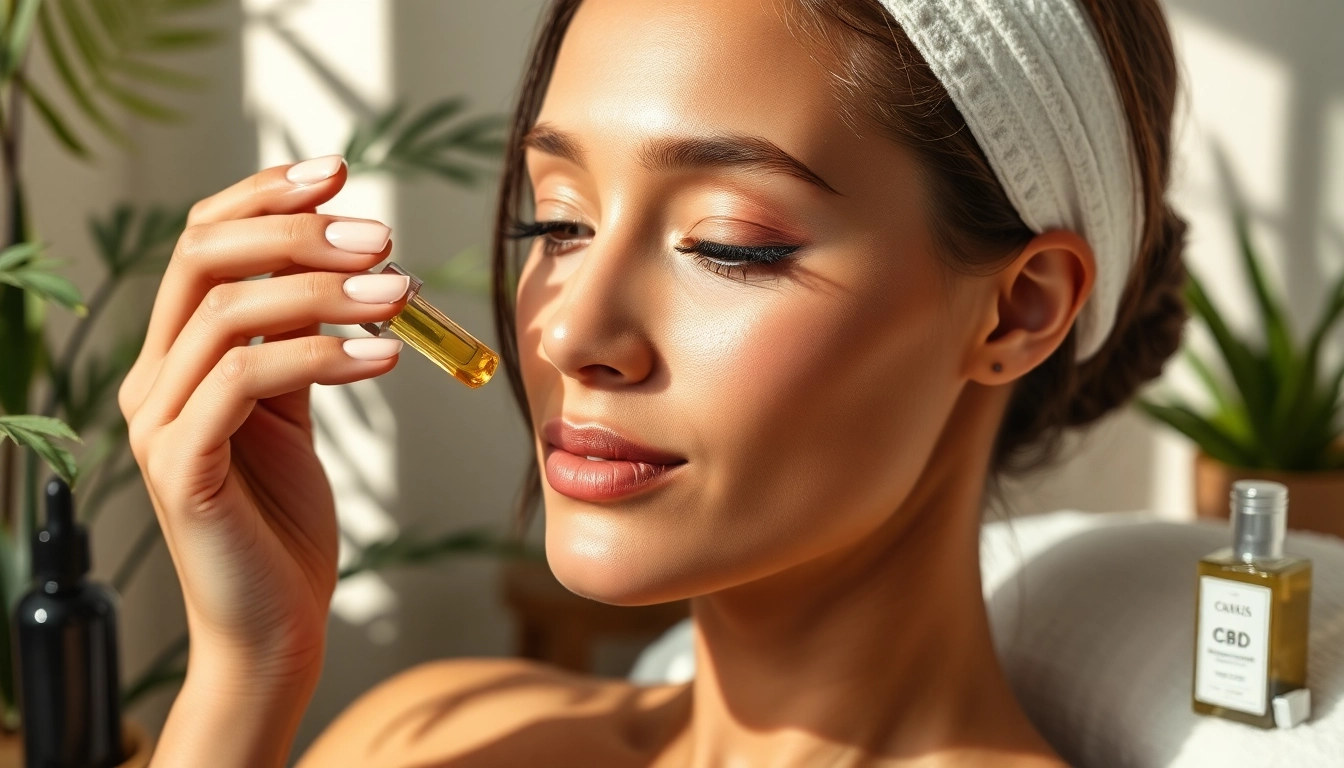
Understanding CBD Oil for Skin
What is CBD Oil?
CBD oil is derived from the cannabis plant, specifically from hemp, which is a variety of Cannabis sativa. Unlike its more well-known counterpart, THC (tetrahydrocannabinol), CBD (cannabidiol) is non-psychoactive, meaning it does not induce a high. The extraction process typically involves using solvents or CO2 to separate the CBD compounds from the flowers and leaves of the hemp plant, resulting in a concentrated oil that can be used in various applications, including skin care.
CBD oil contains a myriad of beneficial compounds, including cannabinoids, terpenes, and a range of beneficial fatty acids. These components work synergistically to promote health benefits, making CBD an increasingly popular ingredient in many products aimed at enhancing skin health. The growing trend of integrating CBD oil for skin reflects its potential to provide nourishment and healing properties for various skin conditions.
How CBD Oil Benefits Skin Health
CBD oil offers a range of benefits that can contribute significantly to skin health. One of its most notable properties is its anti-inflammatory effect, which can help alleviate redness, irritation, and swelling commonly associated with various skin conditions such as acne, eczema, and psoriasis. These inflammatory responses can lead to further complications, but the incorporation of CBD oil may reduce the severity of these symptoms.
Moreover, CBD oil acts as an antioxidant, combating free radicals, which can cause cellular damage and contribute to aging. By neutralizing these free radicals, CBD oil can help maintain the skin's youthfulness, improving its overall appearance. Lastly, its hydrating properties assist in maintaining skin moisture and elasticity, making it an ideal ingredient in formulations designed for dry or mature skin.
Common Misconceptions About CBD Oil
Despite the numerous benefits attributed to CBD oil, several misconceptions can lead to confusion among consumers. One common myth is that using CBD oil on the skin will produce psychoactive effects. This is incorrect, as CBD is non-psychoactive and does not interact with the brain in a way that alters mood or consciousness.
Another misconception is that all CBD products are the same; however, the quality and concentration of CBD oil can vary significantly between products. It’s crucial to research and choose products that are transparently sourced, tested for purity, and formulated specifically for topical use. Lastly, some believe that CBD oil is a cure-all for skin issues; while it offers many benefits, it should complement a comprehensive skincare routine rather than replace traditional treatments where necessary.
Skin Conditions Responding to CBD Oil
Acne and CBD Oil
Acne is a common skin condition characterized by the clogging of hair follicles with oil, dead skin cells, and bacteria. Recent studies suggest that CBD oil may help in managing acne due to its ability to reduce inflammation and suppress excess oil production from sebaceous glands. This is particularly beneficial for individuals dealing with hormonal acne or acne caused by stress.
In addition, CBD's antibacterial properties may help prevent the growth of acne-causing bacteria on the skin. By supporting a balanced production of sebocytes (the cells that create sebum), CBD oil aids in maintaining a healthy skin microbiome, which is essential for preventing breakouts.
Managing Eczema with CBD Oil
Eczema, or atopic dermatitis, is an inflammatory skin condition that causes itchy, red patches. Research indicates that CBD oil could provide relief from symptoms by moderating the skin’s inflammatory response, thereby alleviating the discomfort associated with flare-ups.
Furthermore, CBD oil can help restore the skin's barrier function, which is often compromised in individuals with eczema. By improving hydration and reducing TEWL (transepidermal water loss), CBD oil can contribute to healthier skin over time, potentially reducing the frequency and severity of eczema outbreaks.
Psoriasis and CBD Oil Innovations
Psoriasis is a chronic autoimmune condition that results in a rapid buildup of skin cells, leading to scaling and inflammation. CBD oil's anti-inflammatory properties can potentially help to slow down this excessive cell production. Preliminary studies indicate that topical application of CBD oil may reduce the severity of psoriatic plaques, offering a more natural treatment option for those seeking alternative therapies.
The incorporation of CBD oil into psoriasis treatment regimens may also enhance overall skin health and comfort. As research continues to advance, innovations in formulations are enabling the development of more effective CBD-infused products specifically designed for managing psoriasis symptoms.
How to Use CBD Oil for Skin Care
Best CBD Oil Products for Skin
The variety of CBD oil products available for skincare can be overwhelming. It’s essential to select products based on skin type and specific needs. Look for high-quality oils that are formulated for topical use, such as serums, creams, and lotions that contain CBD oil as a primary ingredient.
Additionally, pay attention to the concentration of CBD in products. A higher concentration may be necessary for more severe skin issues, whereas lower concentrations may suffice for maintenance and preventive care. Always choose products that have been third-party tested for purity and potency.
Application Techniques for Maximum Effectiveness
For optimal results, applying CBD oil correctly is crucial. Start with clean skin; use gentle cleansing techniques to prepare the skin for absorption. When applying CBD oil, use a few drops for targeted areas or a larger amount for broader application. Massage the oil into the skin using circular motions to promote blood circulation and enhance absorption.
For those using CBD oil in combination with other skincare products, layering is essential. Allow CBD oil to absorb fully before applying additional products to prevent dilution and ensure maximum efficacy. Incorporating CBD oil as part of both morning and evening routines can help maintain consistent benefits.
Combining CBD Oil with Other Skin Care Ingredients
CBD oil pairs well with various skincare ingredients, enhancing their effects while providing its multitude of benefits. For instance, combining CBD oil with hyaluronic acid can amplify moisture retention, especially beneficial for dehydrated skin types. Similarly, when integrated with vitamin C, CBD can support skin brightening and protection from environmental stressors.
However, it’s essential to research potential interactions between ingredients. A patch test can help ensure that the combination does not lead to irritation or allergic reactions. Collaborating effectively with other active ingredients can yield a synergistic effect, enhancing overall skin health.
Potential Side Effects of CBD Oil for Skin
Recognizing Allergic Reactions
While CBD oil is generally well-tolerated, some individuals may experience allergic reactions. Symptoms such as redness, swelling, or itching may arise after topical application. It is advisable to perform a patch test by applying a small amount of CBD oil to a discreet area of skin and waiting 24 hours to monitor for any adverse reactions.
Should any irritation occur, it’s crucial to discontinue use immediately. In cases of severe reactions, consult a healthcare professional for guidance on how to proceed safely.
Interactions with Other Skin Treatments
Consumers using CBD oil alongside other skincare treatments should remain cautious of potential interactions, especially with products containing strong active ingredients like retinoids, alpha hydroxy acids (AHAs), or beta hydroxy acids (BHAs). Combining potent products can lead to skin irritation or over-exfoliation.
It's important to introduce CBD oil gradually into an existing skincare routine. Keeping a journal to track skin responses can aid in identifying any negative interactions and tailoring the regimen accordingly.
When to Consult a Dermatologist
If uncertainties or skin concerns persist, a consultation with a dermatologist is highly recommended. Professionals can provide personalized advice, ensuring that the introduction of CBD oil aligns with individual skin needs and health conditions.
Moreover, dermatologists can assist with navigating the complexities of skincare in various contexts—especially for those with underlying conditions or those who are on medication that may affect skin health.
The Future of CBD Oil in Skincare
Latest Research and Innovations
The evolving landscape of CBD research reflects a growing interest in its potential applications and innovations in skincare. Current studies are delving into the molecular mechanisms by which CBD interacts with skin cells, aiming to provide more rigorous insights on its therapeutic effects.
Innovations include the development of novel formulations that enhance the bioavailability of CBD when applied topically, ensuring that more of the beneficial compound penetrates the skin for maximum effect. This includes the use of nanotechnology and advanced emulsion systems, which can revolutionize how consumers experience CBD oil products.
Predictions for CBD Oil Trends in Skincare
As consumer awareness and interest in natural ingredients lend momentum to the CBD skincare market, trends are likely to shift toward more refined, science-backed formulations. Expect future products to focus on specific skin concerns, supported by scientific validation regarding efficacy and safety.
Moreover, trends in sustainability and ethical sourcing of CBD will likely come to the forefront, with consumers increasingly seeking transparency regarding the origin and production of the ingredients they use on their skin.
Consumer Awareness and Education
With the rise of CBD oil in skincare, increasing consumer education is fundamental. Access to accurate and comprehensive information allows individuals to make informed decisions about their skincare products. Industry stakeholders, from brands to skincare professionals, should prioritize educational initiatives to demystify CBD oil, discussing its benefits and potential concerns clearly.
As the market continues to evolve, promoting responsible usage and informed selection will not only enhance consumer experience but also deepen trust in CBD as an effective ingredient for skin health.