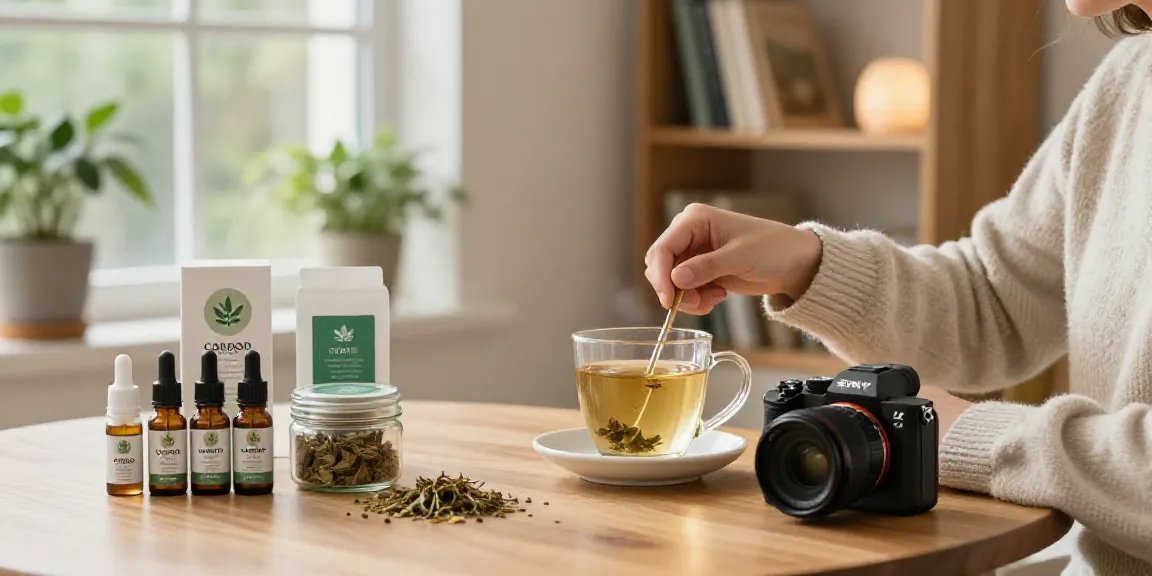
Understanding the Benefits of CBD and THC
The wellness benefits of cannabis have gained significant attention in recent years, particularly as scientific research continues to uncover its potential therapeutic applications. Many individuals turn to cannabis-derived products, such as those containing cannabidiol (CBD) and tetrahydrocannabinol (THC), for various health benefits and wellness support. Understanding how these compounds work and how they can enhance health is critical for informed consumption. When exploring options, Buy weed online usa to discover an array of products that can meet your wellness needs.
1. Health Benefits of CBD
CBD is celebrated for its broad range of potential health benefits. Unlike THC, CBD does not produce psychoactive effects, making it an appealing option for those looking to experience the wellness advantages of cannabis without the “high.” Research has indicated that CBD can help alleviate symptoms associated with anxiety, depression, and chronic pain, and has been linked to improved sleep quality.
2. Therapeutic Applications of THC
THC, the psychoactive compound in cannabis, also offers numerous therapeutic benefits. It is commonly used for pain management, appetite stimulation, and the treatment of nausea, particularly in patients undergoing chemotherapy. Additionally, THC can enhance mood and relaxation but should be used with caution due to its psychoactive effects.
3. Natural Relief for Anxiety and Stress
Both CBD and THC have been studied for their potential to reduce anxiety and stress. Some users report that THC may induce a sense of euphoria, while CBD offers tranquility without intoxication. As such, many consumers prefer to incorporate CBD products into their routines for daily anxiety relief.
Exploring Different Cannabis Products
With a variety of cannabis products available on the market, understanding the choices can enhance your overall experience. From oils and tinctures to edibles and vapes, each form has distinct characteristics, effects, and methods of administration.
1. Types of CBD and THC Products
- Oils and Tinctures: These are concentrated extracts taken sublingually for quick absorption. They may contain CBD alone or a blend of CBD and THC.
- Edibles: Products like gummies or capsules provide a discreet and tasty way to ingest cannabis, although they may take longer to take effect due to digestion.
- Topicals: Creams and balms enriched with cannabinoids can be applied directly to the skin for localized relief.
- Vape Products: Vaporizers allow quick delivery of cannabinoids through inhalation, with options like disposable pens, cartridges, and refillable systems.
2. How to Choose the Right Delivery Method
Choosing the appropriate delivery method depends on individual preferences and desired effects. For fast-acting relief, inhalation methods like vaping may be optimal, while edibles can offer longer-lasting effects suitable for conditions requiring consistent relief.
3. The Rise of Cannabis Edibles and Vapes
The popularity of cannabis edibles and vapes has surged, particularly among those seeking discreet and tasty options. Edibles provide a unique way to integrate cannabis into your diet, while vaping can appeal to users looking for immediacy in their experience.
Dosage Guidelines for Safe Usage
Safely enjoying cannabis products requires an understanding of appropriate dosages. Starting with small amounts and gradually adjusting is key to achieving desired effects without overwhelming side effects.
1. Calculating Your Ideal Dosage
Individual factors including body weight, tolerance, and the specific product's potency will influence the ideal dosage. It's essential to read labels for advised serving sizes and adjust accordingly.
2. Tips for Titration
Titration is the process of gradually increasing the dose until the desired effect is reached. Beginners should start with a lower dosage, waiting several hours to gauge the effects before consuming more.
3. Understanding Individual Tolerance Levels
Tolerance varies significantly among consumers; what works for one person might not work for another. Factors such as history of cannabis use and body composition must be considered when determining the best approach.
Ensuring Product Quality and Safety
Ensuring that cannabis products are safe and of high quality is paramount. Consumers must be diligent in choosing products that are third-party tested and have clear quality indicators.
1. Importance of Third-Party Testing and COA
Third-party testing, often accompanied by a Certificate of Analysis (COA), verifies the potency and safety of cannabis products. This testing checks for contaminants and confirms the cannabinoid content, allowing consumers to make informed decisions.
2. Identifying Quality Indicators
Factors such as organic certification, clear labeling, and positive customer feedback can help consumers identify reputable products. Avoid products that lack transparency regarding their source and testing.
3. How to Read Lab Reports Effectively
Understanding lab reports is essential for evaluating product quality. Consumers should look for information regarding cannabinoid levels, contaminants, and the methods used for testing.
Legal Considerations and Compliance
The legal landscape for cannabis products is evolving, making it crucial for consumers to stay informed about current regulations. Understanding the implications of the 2018 Farm Bill and state-specific licenses is foundational for safe cannabis use.
1. Current Legal Landscape in 2026
As of 2026, cannabis laws are continually evolving. While many states have legalized both recreational and medical uses, others maintain strict restrictions. It is essential to stay educated about local regulations.
2. Federal and State Regulations
The 2018 Farm Bill legalized hemp-derived products with less than 0.3% THC, making CBD more accessible. However, state regulations can vary significantly; familiarity with local laws is crucial for compliance and safety.
3. What Consumers Need to Know About Legality
Consumers should be aware of the specific cannabis content limits and the political landscape that may impact availability. Remaining informed can help users avoid legal issues when purchasing and using these products.
Frequently Asked Questions
What is the difference between CBD and THC?
CBD is non-psychoactive and is often used for therapeutic purposes without producing a high, while THC is psychoactive and is associated with pleasure and euphoria.
Are CBD products legal in all states?
While many states allow the sale of CBD products, legality can vary depending on state laws and the THC content of the product. It is crucial to check local regulations.
How should I store my CBD products?
Cannabis products should be stored in a cool, dark place, away from light and heat, to maintain potency and extend shelf life.
Can CBD interact with other medications?
CBD may interact with certain medications, particularly those that come with a grapefruit warning. It's essential to consult a healthcare provider before using CBD alongside other treatments.
What are the side effects of CBD?
Some potential side effects of CBD can include drowsiness, diarrhea, and changes in appetite. Monitoring how your body reacts is important when trying new products.