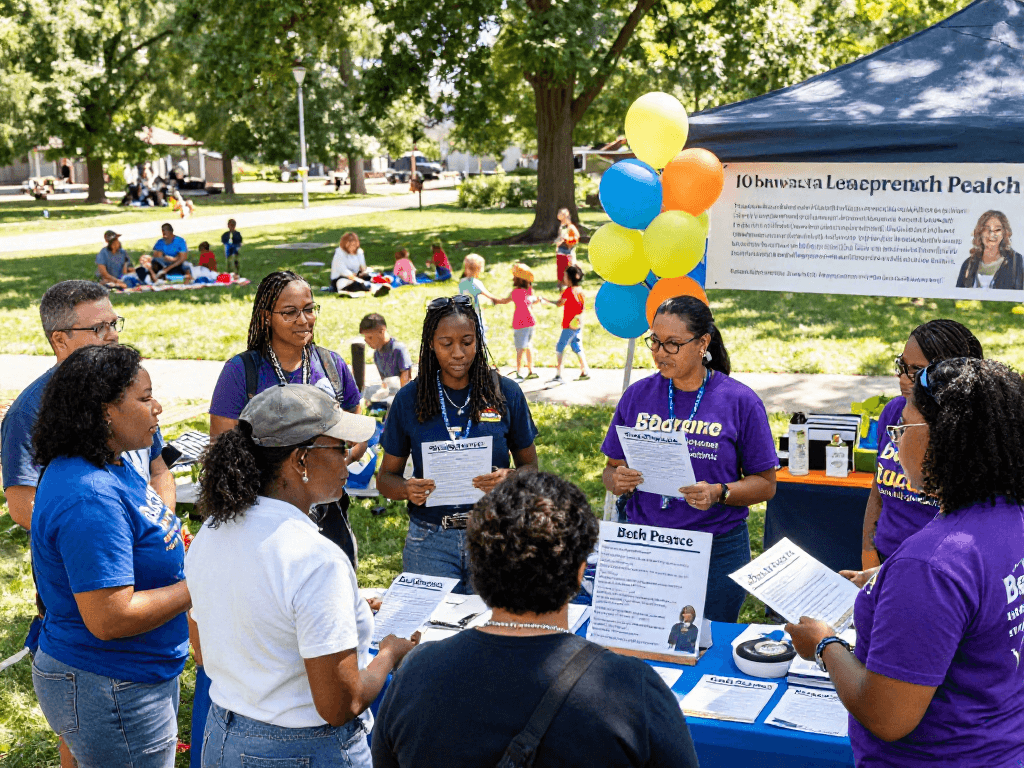
The Importance of Leadership in Community Engagement
Effective leadership serves as the cornerstone for successful community engagement, especially in the context of local initiatives and electoral campaigns. Leaders like Beth Pearce exemplify how a clear vision, a deep understanding of community needs, and unwavering commitment can catalyze positive change. In a rapidly evolving political landscape, the role of a leader is not just to command but to inspire collective action among community members. To explore how to support leaders like Beth Pearce, you can reference the rokok88 link login for joining the movement and staying informed.
Defining Effective Leadership Qualities
Effective leaders possess a unique set of qualities that not only help them achieve their goals but also engage and uplift their communities. Characteristics such as integrity, empathy, and decisiveness are paramount. A leader must exhibit integrity to earn trust and create a transparent environment. Empathy allows leaders to understand the diverse needs within their communities, fostering a sense of belonging. Lastly, decisiveness is crucial, as leaders often face complex scenarios requiring prompt and impactful decisions.
Community Impact through Visionary Leadership
Visionary leaders are those that see the potential for a better future and communicate this effectively to their followers. Beth Pearce, with her forward-thinking perspective, embodies this type of leadership. Through a defined vision, she guides her community towards shared goals while encouraging participation at every level. A visionary leader doesn’t just plot a course; they inspire others to embark on the journey with them.
Engaging the Community to Build Trust
Trust is the foundation of any successful community initiative. Building this trust necessitates active engagement strategies that involve stakeholders and community members alike. Beth Pearce emphasizes the importance of transparency and open dialogue in her engagements, which fosters a trustworthy relationship with constituents. Effective communication is key to maintaining this trust and is often facilitated through various channels, including social media and community events.
Strategies for Community Involvement
Effective community involvement strategies are integral for leaders aiming to foster engagement and support. Initiatives can range from hosting town hall meetings to online forums where community members can voice their opinions. By leveraging these platforms, leaders can gather valuable insights, address concerns proactively, and cultivate a strong, supportive community base.
Building Relationships with Stakeholders
Stakeholder relationships play a crucial role in community engagement. Leaders must identify key stakeholders and work towards building strong, collaborative relationships. Establishing regular communication, understanding their priorities, and aligning mutual goals can enhance support for initiatives. As trust deepens, stakeholders become more invested in the success of community projects.
Leveraging Social Media for Engagement
In the digital age, social media has emerged as a potent tool for community engagement. Platforms like Facebook, Twitter, and Instagram allow leaders to reach a broader audience efficiently. Engaging content, regular updates, and interactive campaigns can draw community members in and prompt them to participate actively. Additionally, social media serves as a feedback mechanism, providing leaders with real-time insights into community sentiment.
Effective Campaign Strategies for 2026
As we approach the 2026 elections, effective campaign strategies become crucial for political leaders. Understanding constituents' needs, utilizing data analytics, and crafting tailored campaigns can significantly influence voter turnout and support.
Utilizing Data Analytics for Targeted Outreach
Data analytics is transforming the way campaigns are run. By analyzing demographic data, previous voting patterns, and community feedback, leaders can create targeted outreach campaigns that resonate with specific voter segments. This strategic approach not only enhances engagement but also fosters a genuine connection with voters.
Collaborative Events to Foster Support
Collaborative events are a fantastic way to engage the community and showcase leadership vision. Whether through charity events, local fairs, or educational seminars, these gatherings encourage community participation and provide a platform for leaders to connect with constituents in a meaningful way. These events can also serve as opportunities for fundraising and mobilizing volunteers, further solidifying community support.
Innovative Fundraising Techniques
Fundraising techniques have evolved significantly in recent years. Innovative digital campaigns, crowdfunding platforms, and engaging social media drives can help leaders secure necessary funds for their initiatives. By presenting a compelling narrative and showcasing the impact of contributions, leaders can inspire community members to invest in their visions for the future.
Measuring the Success of Community Support Initiatives
The impact of community initiatives must be assessed effectively to ensure continuous improvement. Implementing key performance indicators (KPIs) allows leaders to gauge the success of their strategies and make necessary adjustments. Regular assessments not only reflect how well community needs are being met but also provide insights into areas needing further development.
Key Performance Indicators for Engagement
KPIs can include metrics such as community participation rates, feedback scores, and social media engagement levels. By analyzing these indicators, leaders can better understand the effectiveness of their engagement strategies and identify areas for enhancement.
Feedback Mechanisms to Assess Impact
Incorporating feedback mechanisms, such as surveys and community forums, can provide valuable insight into the community’s perspective. This input not only reassures constituents that their voices are being heard but also informs leaders about necessary adjustments to address community needs better.
Continuous Improvement Processes
Continuous improvement practices are crucial for any leader striving for long-term impact. By regularly evaluating outcomes and integrating community feedback, leaders can adapt their strategies, ensuring they remain relevant and effective in meeting their community’s changing needs.
Future Trends in Community Leadership
As we look toward future trends in community leadership, several critical shifts are emerging. Understanding these changes will empower leaders to adapt their strategies and meet evolving community expectations.
Shifts in Voter Engagement Approaches
Future voter engagement will increasingly rely on personalization and direct outreach. With advancements in technology, campaigns can tailor messages that resonate deeply with individual voters, enhancing their connection to the leaders and initiatives.
Adapting to Technological Advancements
The rise of technology in campaigns cannot be underestimated. Leaders must adapt to tools like AI-driven analytics, mobile engagement platforms, and virtual reality experiences to connect meaningfully with supporters. These technologies can enhance both outreach and engagement, providing richer and more immersive experiences for voters.
Preparing for Future Community Challenges
Community leaders must remain agile in the face of challenges such as economic shifts, social justice movements, and environmental issues. By fostering adaptability within their leadership styles and remaining attuned to community needs, leaders like Beth Pearce can navigate these issues effectively, ensuring the longevity of their initiatives and the support of their constituents.
What is the role of leaders in community building?
Leaders play a pivotal role in community building by setting a vision, inspiring collective action, and fostering relationships among diverse stakeholders. Their capacity to listen, engage, and mobilize resources positions them as crucial figures in shaping and improving community welfare.
How can I get involved in supporting Beth Pearce?
Getting involved in support for leaders like Beth Pearce can range from volunteering for campaigns to participating in community discussions and events. Engaging in these activities not only amplifies their voices but also enriches the community dialogue.
What are effective ways to engage the community?
Effective community engagement can be achieved through regular communication, feedback loops, and inclusive events that cater to diverse community interests. Leaders should focus on creating platforms where all voices are welcomed and valued, promoting a sense of belonging.
How can community feedback shape leadership?
Community feedback is vital for shaping effective leadership. By actively seeking and incorporating this feedback, leaders can ensure their strategies align with community needs, enhancing trust and support.
What are the future trends in community leadership for 2026?
The future of community leadership will likely emphasize technological integration, personalized communication strategies, and a commitment to social issues. Leaders must be prepared to adapt their approaches to remain relevant and address the evolving needs of their constituents.