
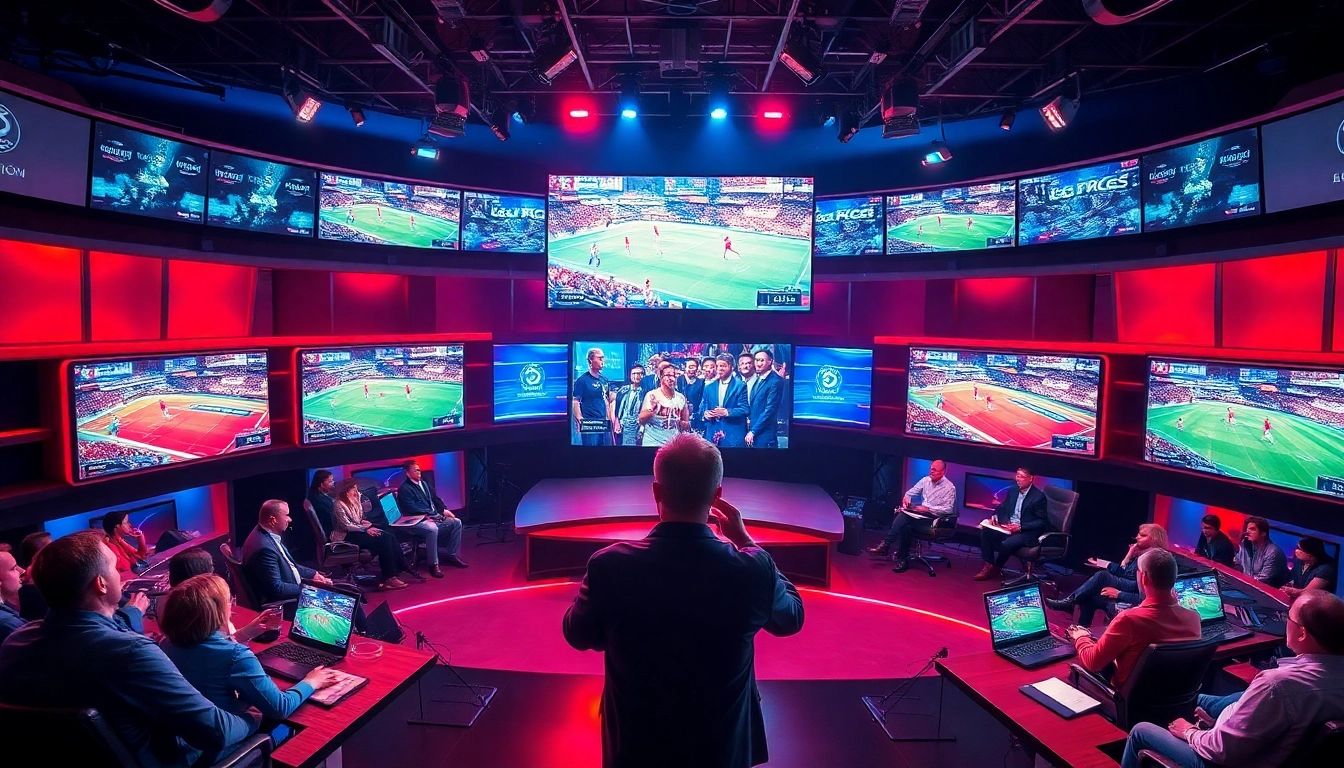
Understanding Sports Broadcasting
What is Sports Broadcasting?
Sports Broadcasting refers to the live or recorded transmission of sports events to an audience through various media platforms, including television, radio, and online streaming services. This engaging practice enables fans to experience the thrill of the game, get real-time updates, and connect with their favorite teams and athletes, highlighting the exciting aspects of sports culture. It acts as a bridge, transforming the excitement happening on the field into a shared experience for millions across the globe. As viewing habits evolve, the role of Sports Broadcasting in audience engagement has never been more crucial.
History and Evolution of Sports Broadcasting
The journey of sports broadcasting traces back to the early 20th century, when radio broadcasts of significant events like boxing matches began to captivate audiences. The first-ever televised live sports event, a college baseball game in 1939, marked a major turning point. The rapid evolution of technology, from the introduction of color broadcasting in the 1960s to the advent of 24-hour sports networks, revolutionized how sports are consumed. The shift towards digital platforms and streaming services today continues to redefine the landscape, making sports more accessible and interactive.
The Importance of Sports Broadcasting in Media
Sports Broadcasting plays a pivotal role in media, influencing viewership patterns and advertising revenues. Major sporting events, such as the Super Bowl or the Olympics, draw in millions of viewers, generating substantial revenue streams. Broadcasting also serves as a platform for storytelling, where athletes' journeys and team narratives captivate audiences and foster emotional connections. The integration of advanced analytics and viewer engagement strategies has become essential for networks to retain their audience and attract younger generations.
Key Components of Sports Broadcasting
Technical Aspects of Sports Broadcasting
The technical side of sports broadcasting encompasses a range of sophisticated equipment and systems. Key components include high-definition cameras, advanced audio-visual technology, and broadcasting software which ensure seamless transmission of live events. Broadcast vans equipped with satellite uplinks allow for coverage from remote locations, while graphics and analytics tools enhance viewer experience by providing real-time statistics. Emerging technologies such as 5G networks and cloud computing further improve the efficiency and quality of sports broadcasts around the world.
Roles of Commentators and Analysts
Commentators and analysts are essential figures in sports broadcasting, offering insights that enhance the viewing experience. Commentators provide live play-by-play accounts, keeping audiences engaged with thrilling descriptions and narratives. Analysts, on the other hand, dissect plays and strategies, contributing expert opinions that foster deeper understanding of the game. The balance of entertainment and analysis is crucial; effective broadcasters not only inform but also entertain, making the audience feel as if they are part of the action.
Types of Broadcasts: Live vs. Recorded
Sports broadcasts can be broadly categorized into live and recorded formats. Live broadcasts of sporting events offer the thrill of real-time action, fostering an immediate connection between the audience and the unfolding drama. Recorded broadcasts include highlight shows, analysis segments, and repeat airings, allowing viewers to re-experience key moments. Each type offers unique advantages—live broadcasts emphasize immediacy and excitement, while recorded broadcasts lend themselves to analysis and deeper engagement with the content.
Audience Engagement in Sports Broadcasting
Understanding Your Viewers’ Preferences
To connect deeply with audiences, broadcasters must understand viewer preferences. This involves demographic analysis, viewer habits, and preference analytics to tailor content that resonates with specific audiences. Surveying audience reactions to different formats and analyzing social media interactions gives valuable insights into viewer interests. Personalization is becoming increasingly important, with many networks employing algorithms to recommend tailored viewing experiences based on historical viewer behavior.
Interactive Features in Sports Broadcasting
Interactive features are transforming how audiences engage with sports broadcasts. From live polls and quizzes to social media integrations, broadcasters strive to create a two-way dialogue with viewers. Technology such as augmented reality (AR) enhances interaction by allowing fans to see additional information layered over live broadcasts. These features not only enhance viewer involvement but also foster community engagement, turning passive viewers into active participants.
Building a Community Around Sports Broadcasting
Building a sense of community is essential for sustaining audience interest in sports broadcasting. Fans often seek out platforms that allow them to discuss games and share opinions. Engaging with fans on platforms like Twitter, Instagram, and dedicated forums can help broadcasters foster loyalty. Organizing fan-centric events, such as virtual meet-and-greets with athletes or interactive viewing parties, can further strengthen community bonds and enhance viewer retention.
Challenges in Sports Broadcasting
Legal and Ethical Considerations
Legal and ethical considerations in sports broadcasting are complex and multifaceted. Issues surrounding copyright, licensing, and broadcasting rights are significant. Broadcasters must navigate these waters carefully, ensuring compliance with legal frameworks while still delivering compelling content. Ethical issues also arise, such as the portrayal of athletes and the use of sensitive information. Striving for transparency and fairness in coverage can help maintain public trust and respect.
Technological Challenges in Live Broadcasting
Live broadcasting presents unique technological challenges that can impact the quality and reliability of transmissions. Network interruptions, equipment failures, and synchronization problems can affect the viewer's experience. Continuous advancements in technology, along with rigorous testing protocols and backup systems, help mitigate these risks. Furthermore, as audience expectations rise, broadcasters must ensure their output keeps pace with technological advancements and embraces innovations like UHD and HDR streaming.
Maintaining Audience Interest
In an era of numerous entertainment options, maintaining audience interest in sports broadcasts is a growing challenge. Broadcasters must continually innovate, seeking new formats and content delivery methods that appeal to diverse audiences. Strategic partnerships with influencers and the integration of eSports programming can attract different viewer demographics. Regular feedback loops, analyzing viewer metrics, and adapting content accordingly are critical for making data-driven decisions that enhance overall engagement.
Future Trends in Sports Broadcasting
Impact of Streaming Services
The rise of streaming services has dramatically shifted the landscape of sports broadcasting. These platforms offer flexibility in viewing, allowing fans to watch events on demand and at their convenience. Subscription models and ad-supported models are becoming prevalent, allowing for diversified revenue streams. Broadcasters must adapt by developing exclusive content and creating immersive experiences to compete for attention in this rapidly evolving environment.
Virtual Reality and Sports Broadcasting
Virtual Reality (VR) is set to revolutionize sports broadcasting by providing immersive viewing experiences. Innovations in VR technology allow fans to feel as though they are present at live events, observing from unique perspectives. This not only enhances viewer engagement but also opens up new revenue streams through subscription models for premium content. As VR headsets become more accessible and affordable, expect to see broader implementation within mainstream sports broadcasting.
The Growing Role of Social Media
Social media platforms are essential tools for modern sports broadcasting, providing real-time updates and audience interaction. Broadcasters leverage social channels for promotion, audience engagement, and delivering supplementary content such as behind-the-scenes footage. Features like live-tweeting during games and interactive Q&A sessions with athletes create a dynamic viewing environment that extends beyond the traditional broadcast experience, ensuring that audiences stay connected and engaged.
Frequently Asked Questions
What is the primary goal of sports broadcasting?
The primary goal of sports broadcasting is to deliver live or recorded sporting events to audiences, providing entertainment, information, and emotional engagement with the sport and athletes.
How has technology changed sports broadcasting?
Technology has transformed sports broadcasting by improving transmission quality, enabling real-time analytics, and facilitating interactive viewer features such as polls and social media integration.
What role do commentators play in sports broadcasting?
Commentators provide live play-by-play accounts of events, narrating the action while analysts offer insights, making the viewing experience richer and more engaging for the audience.
How can broadcasters engage with their audience?
Broadcasters can engage viewers through interactive features, social media campaigns, personalized content, and by fostering community through fan events and discussions.
What are the challenges facing sports broadcasters today?
Challenges include legal and ethical issues, technological reliability in live broadcasting, and maintaining audience interest in a competitive entertainment landscape.