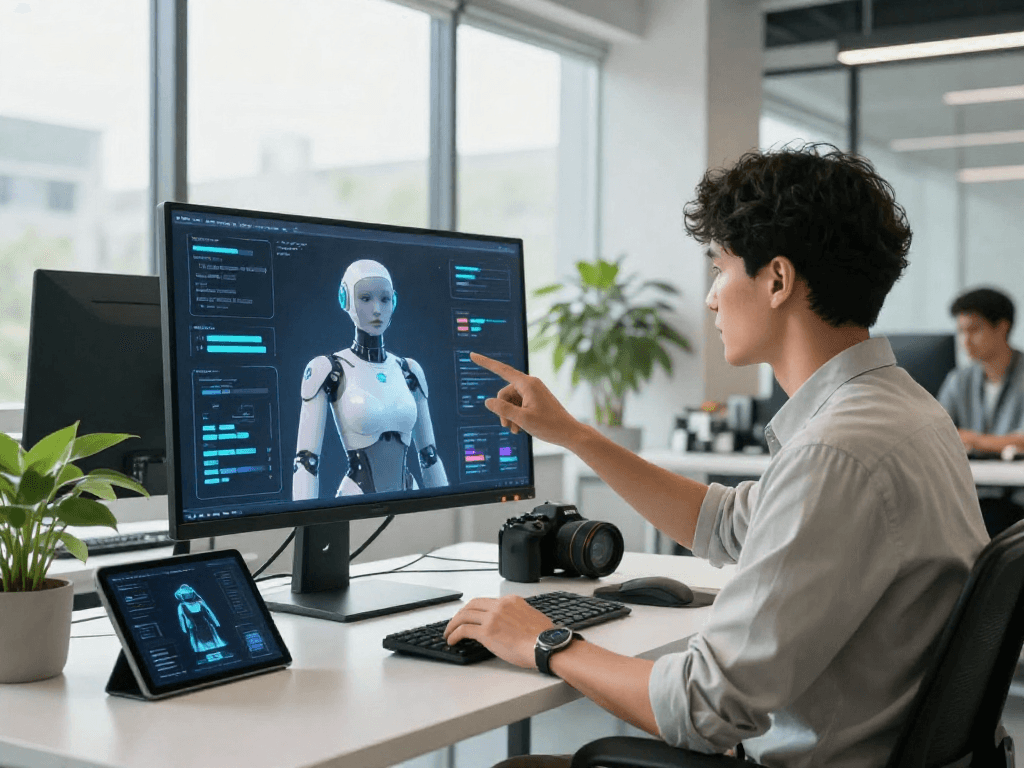
Understanding the ai image detector Technology
The rise of digital content consumption has spurred a growing need for effective content moderation solutions. An ai image detector plays a pivotal role in ensuring that platforms remain safe and engaging for users. By leveraging advanced machine learning algorithms, these detectors can analyze and categorize visual content, ensuring that it adheres to community standards and regulatory requirements. As businesses increasingly rely on AI technology to maintain their online reputations, understanding the intricacies of ai image detectors becomes essential.
What is an ai image detector?
An ai image detector is a sophisticated tool designed to identify, analyze, and categorize images using artificial intelligence. It employs various algorithms to assess visual content, detecting elements that might be harmful, inappropriate, or relevant to specific use cases. From social media platforms to e-commerce websites, ai image detectors are employed to filter content that could violate community guidelines, thereby enhancing user experience and maintaining safety.
Core features of advanced AI detection
Modern ai image detectors come equipped with a range of features that enhance their functionality and efficacy:
- Context-aware intelligence: These models can differentiate between similar images based on contextual data, such as varying degrees of nudity or violence, ensuring accurate flagging of harmful content.
- Multi-category detection: Capable of analyzing content across over 100 categories, these detectors address diverse threats, including hate speech, graphic violence, and adult content.
- Flexible moderation rules: Businesses can customize moderation policies to align with their community standards, allowing for tailored content management.
- High accuracy with low false positives: Advanced algorithms minimize errors, ensuring that legitimate content is not misclassified, which is crucial for user retention.
Comparing ai image detector technologies in 2026
As we move deeper into 2026, the landscape of ai image detection technology is evolving rapidly. Companies are increasingly focused on enhancing their detection models to provide more robust solutions. Key differentiators among various technologies include:
- Algorithm Complexity: Some platforms leverage deep learning models that analyze image patterns at a granular level, while others may use simpler heuristics that may not catch nuanced threats.
- Integration Capabilities: The ease with which an ai image detector can be integrated with existing systems is crucial, especially for businesses looking to adopt a seamless approach to moderation.
- Adaptability: As new forms of media and trends emerge, the best ai image detectors will continually learn and adapt, ensuring they remain effective against evolving threats.
Implementing ai Image Detection in Business
Integrating ai image detection into business operations can transform how companies manage user-generated content. Effective implementation requires a strategic approach that encompasses several best practices.
Best practices for integrating ai image detectors
To maximize the efficacy of ai image detectors, businesses should follow these best practices:
- Conduct thorough needs assessments: Understanding specific requirements and potential risks unique to your platform is key to choosing the right detection model.
- Leverage pilot programs: Before a full-scale rollout, running pilot tests can help gauge the performance of the ai image detector in real-time conditions.
- Continuous training and updates: Regularly updating detection models to account for new content types and threats ensures ongoing effectiveness.
Modifying content moderation policies with AI
AI-driven insights can enhance content moderation policies significantly. To adapt policies effectively:
- Review existing guidelines: Assess current moderation standards in light of AI capabilities to identify areas for improvement.
- Incorporate user feedback: Engaging users in discussions about moderation practices can provide valuable insights and foster community trust.
Case studies: Success stories with ai image detectors
Several companies have successfully implemented ai image detectors to improve their content moderation processes. For instance, a prominent social media platform reported a 50% reduction in violent content after integrating an advanced detection model, allowing for a safer user environment. Another e-commerce site noted significant decreases in customer complaints regarding inappropriate content following the adoption of tailored moderation policies.
Enhancing User Experience with ai Image Moderation
Beyond safety, effective ai image detection significantly enhances user experience. A well-implemented moderation strategy can lead to increased user engagement and satisfaction.
Reducing false positives in content moderation
False positives can frustrate users, leading to dissatisfaction. To counteract this:
- Enhance detection algorithms: Investing in more sophisticated AI models that learn from historical data can drastically reduce false positives.
- Regularly retrain models: As trends change, continual learning ensures that the models adapt to new types of content, minimizing misclassifications.
Customizing user controls for image analysis
Providing users with the ability to customize their content moderation experience empowers them:
- User-defined filters: Allowing users to select the types of content they wish to see or avoid can lead to higher satisfaction.
- Transparency in moderation: Offering insights into how content is moderated can help users understand and trust the process.
Engaging your community with dynamic moderation rules
Dynamic moderation rules allow platforms to respond to user needs in real-time:
- Community-driven content guidelines: Enabling users to participate in establishing moderation policies can foster a sense of ownership.
- Real-time adjustments: Utilizing AI to adjust moderation rules based on current user sentiment or trending content can keep communities vibrant and engaged.
Future Trends in ai Image Detection Technology
Keeping an eye on future trends will be crucial for businesses looking to stay ahead in content moderation.
Emerging threats in digital content for 2026
As technology evolves, so too do the threats posed by digital content. Anticipated challenges include:
- Deepfakes and manipulated media: The proliferation of highly realistic AI-generated content necessitates advanced detection methods.
- Increased hate speech and misinformation: As online communities grow, so does the likelihood of harmful content spreading rapidly.
The evolution of context-aware intelligence
Context-aware AI will become increasingly sophisticated, enabling better differentiation between harmless and harmful content. This advancement will be crucial for maintaining the integrity of online platforms.
Predictions for the next generation of ai image detectors
The next generation of ai image detectors is expected to feature:
- Greater automation: Solutions will likely automate content analysis even further, reducing the need for human intervention.
- More accessible tools: As the technology matures, more small to mid-sized businesses will be able to afford and implement effective ai image detection solutions.
Measuring the Impact of ai Image Detectors
To ascertain the effectiveness of ai image detectors, businesses must establish clear metrics and evaluation methods.
Key performance indicators for moderation success
Some essential KPIs to track include:
- Accuracy rates: Measuring how often the detector accurately flags harmful content versus innocuous material.
- User engagement metrics: Observing whether user interactions increase post-implementation can signal effective moderation.
Gathering user feedback for continuous improvement
Implementing mechanisms for user feedback, such as surveys or focus groups, can reveal insights that drive enhancements to detection processes and user satisfaction.
Assessing AI adaptability to new content types
Regular evaluations of how swiftly the ai image detector adapts to new trends or content types will be essential. This adaptability can be assessed through:
- Monitoring response times: Analyzing how quickly the AI updates its parameters in response to emerging threats.
- Reviewing accuracy across different types of content: Ensuring that the detector maintains high performance standards across diverse media types.
What types of content can ai image detectors analyze?
Ai image detectors can analyze a wide array of content types, including but not limited to:
- Images depicting violence or graphic content
- Nudity and adult content
- Hate symbols or speech
- Spam or misleading materials
How do I choose the right ai image detector for my business?
Selecting the right ai image detector involves considering several factors, such as:
- Business needs: Identify the specific types of content you need to moderate.
- Integration capabilities: Ensure that the solution can seamlessly integrate into your existing workflows.
- Cost and scalability: Choose a solution that fits your budget while allowing for future growth.
What are the common challenges of ai image detection?
Common challenges include:
- False positives leading to user frustration
- Difficulty in keeping up with rapidly changing content trends
- High implementation costs for small businesses
How can ai image detectors enhance community safety?
By effectively flagging inappropriate content, ai image detectors help maintain a safe environment, protecting users from exposure to harmful materials and contributing to a positive online community.
What future developments should we expect in ai detection technologies?
Future developments may include:
- Improved contextual understanding to further differentiate between harmful and innocent content
- Enhanced user privacy features to ensure data protection
- Integration with other AI technologies for holistic content moderation solutions