
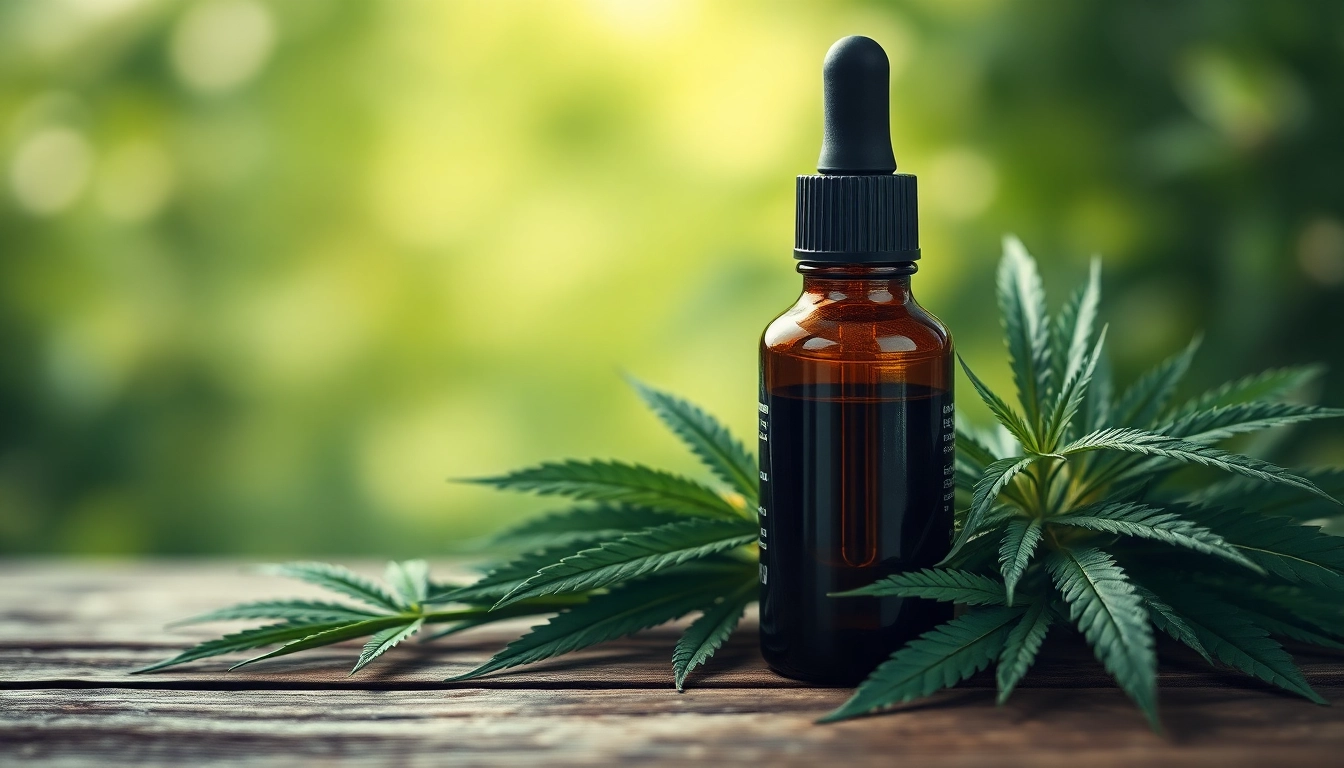
The Basics of CBD: What You Need to Know
CBD, or cannabidiol, is an increasingly popular compound derived from the hemp plant. Unlike its more famous counterpart THC (tetrahydrocannabinol), CBD is non-psychoactive, meaning it does not produce a "high" sensation. This unique property has garnered significant interest in various sectors, including wellness, beauty, and alternative medicine. As awareness of CBD grows, many individuals seek to understand its effects, benefits, and applications. For more information on CBD and its potential, consider exploring reputable sources to deepen your understanding. CBD products are becoming increasingly available, leading to a myriad of options for consumers looking to explore this compound’s potential. In this article, we will delve into the fundamentals of CBD, including its origins, functionality within the body, common misconceptions, and health benefits.
Defining CBD: Origins and Forms
Cannabidiol (CBD) is one of over 100 cannabinoids found in the Cannabis sativa plant. It is primarily derived from hemp, a variety of cannabis cultivated for industrial use. Unlike marijuana, hemp contains minimal THC (typically less than 0.3%), which is crucial for legal considerations and consumer safety. CBD is extracted from the plant via various methods, including CO2 extraction, oil infusion, or solvent extraction, each method yielding diverse products with unique potencies and effects.
CBD is available in a variety of forms, targeting different consumer preferences and application methods. Some of the most common forms include:
- Oils and Tinctures: Concentrated extracts that can be taken sublingually or added to foods and beverages.
- Edibles: Gummies, chocolates, and other food items infused with CBD for easy consumption.
- Topicals: Creams, balms, and lotions infused with CBD for localized treatment of pain or skin conditions.
- Capsules: Pre-measured doses of CBD in pill form for convenience.
- Vaping Products: CBD vape oils and cartridges designed for inhalation.
How CBD Works in the Body
The effects of CBD in the human body are primarily mediated through the endocannabinoid system (ECS), a complex network of receptors, enzymes, and endocannabinoids. The ECS plays a crucial role in maintaining homeostasis within the body, influencing functions such as mood, appetite, sleep, and pain response.
CBD interacts predominantly with two types of receptors in the ECS: CB1 and CB2. CB1 receptors are primarily located in the brain and central nervous system, influencing neurological processes. CB2 receptors are predominantly found in peripheral tissues, affecting immune response and inflammation. By modulating these receptors, CBD can help restore balance to various physiological processes, which may explain its diverse therapeutic potential across multiple health conditions.
Common Misconceptions About CBD
As with any emerging field, misconceptions about CBD can lead to confusion and misinformation among consumers. Here are three prevalent myths debunked:
- CBD Gets You High: Unlike THC, CBD is non-psychoactive and does not produce the euphoric effects associated with cannabis.
- All CBD Products Are the Same: The quality and effectiveness of CBD products can vary widely. Factors such as source, extraction method, and formulation can influence the experience and benefits.
- CBD Is Completely Safe: While many users tolerate CBD well, it can cause side effects and interact with certain medications. Therefore, consulting healthcare professionals is essential before starting any CBD regimen.
Health Benefits of CBD: A Comprehensive Guide
The potential health benefits of CBD have been the subject of numerous studies, with claims ranging from pain management to anxiety relief. While extensive research is still ongoing, preliminary findings suggest that CBD may offer various therapeutic effects.
CBD for Pain Relief: What Studies Show
Pain management is one of the most researched aspects of CBD. Studies have shown that CBD interacts with neurotransmitters and receptors in the ECS, which may help alleviate various types of pain, including chronic pain, arthritis, and neuropathic pain. A study published in the journal *Pain* suggested that CBD could reduce inflammation and pain by blocking neural transmission in pain pathways.
For individuals suffering from arthritis, CBD topicals have shown promise in reducing localized inflammation. Research indicates that applying CBD oil directly to affected areas may provide significant pain relief without the side effects often associated with conventional pain medications.
Using CBD for Anxiety and Stress Management
Anxiety disorders affect millions of individuals globally, leading to increased interest in alternative treatments. CBD has emerged as a potential therapeutic agent for anxiety, with studies demonstrating its anxiolytic effects. Mechanistic studies propose that CBD affects serotonin receptors in the brain, which can influence mood and feelings of anxiety.
Case studies and clinical trials have indicated that CBD may benefit those suffering from generalized anxiety disorder (GAD), social anxiety disorder (SAD), and even post-traumatic stress disorder (PTSD). Users often report reduced levels of anxiety and stress after taking CBD, suggesting its potential role in managing these mental health conditions.
Other Potential Benefits of CBD for Wellness
Beyond pain relief and anxiety management, CBD is touted for its potential benefits across various health domains. Preliminary research indicates that CBD may assist with:
- Neuroprotective Properties: Studies suggest that CBD may help protect the nervous system from injury and degeneration.
- Heart Health: CBD may have cardioprotective effects by reducing oxidative stress and inflammation.
- Sleep Disorders: Some users report improved sleep quality and duration with CBD, possibly due to its calming effects.
- Skin Conditions: CBD’s anti-inflammatory properties can benefit those with acne or eczema.
Ways to Use CBD: Practical Applications
As the CBD market expands, consumers are presented with a plethora of options for incorporating this compound into their daily routines. Understanding the different forms and dosages is crucial for finding the ideal method for individual needs.
Different Forms of CBD Products Available
Each form of CBD product serves different preferences and needs. Here’s a closer look at how they can be used:
- CBD Oils and Tinctures: These versatile products can be used directly under the tongue or mixed with food and beverages for easy consumption.
- Edibles: Perfect for those who dislike the taste of oil, CBD-infused edibles provide a discreet and palatable way to consume CBD.
- Topicals: Ideal for localized treatment, creams, and balms can be applied directly to the skin for targeted relief.
- Capsules: These are a convenient option for those who prefer a pre-measured dosage but may take longer to take effect.
- Vaping Products: Vaping provides one of the fastest onset times for effects but may not be suitable for everyone due to potential respiratory concerns.
How to Choose the Right CBD Product for You
Selecting the right CBD product involves assessing individual goals, desired effects, and personal preferences. Here are key considerations for making an informed decision:
- Purpose: Define your reason for using CBD; whether for pain relief, anxiety management, or another application, this will guide product selection.
- Formulation: Pay attention to the product types available—full-spectrum, broad-spectrum, or isolate—to determine which aligns with your needs.
- Potency: Look for products with clear labeling of CBD content to help measure the correct dose effectively.
- Research Brands: Opt for brands that provide third-party testing for transparency regarding ingredient quality.
Dosage Guidelines for New CBD Users
Determining the appropriate dosage of CBD can be challenging due to individual variations in body chemistry, health conditions, and product formulations. As a general rule of thumb, starting with a low dose and gradually increasing it until achieving desired effects is recommended.
Common dosage guidelines suggest beginning with 5-10 mg of CBD per day. After observing how your body responds, incrementally increase the dosage every few days or weeks until the ideal amount is found. Additionally, consulting a healthcare professional can provide personalized insight and help tailor dosage recommendations.
Potential Risks and Side Effects of CBD
While CBD is generally well tolerated, it’s essential to acknowledge that there are potential risks and side effects associated with its use. Understanding these can help consumers make informed choices about incorporating CBD into their health routines.
Understanding CBD Side Effects
Side effects of CBD are typically mild but can include symptoms such as dry mouth, dizziness, fatigue, and changes in appetite. These effects can vary between individuals and may depend on the dosage and method of consumption.
In clinical settings, some users have reported gastrointestinal discomfort as well. It's vital to monitor how the body reacts to CBD and adjust the dosage or discontinue use if adverse effects occur.
Interactions with Other Medications
CBD has the potential to interact with various medications, particularly those metabolized by the liver. It may inhibit liver enzymes (specifically cytochrome P450 enzymes), which could impact the efficacy of certain drugs, including blood thinners and antiepileptic medications. Therefore, anyone taking prescription medications should consult with a healthcare professional before combining CBD with their current treatment plan.
Who Should Avoid Using CBD?
Certain individuals may need to avoid using CBD or consult their healthcare provider prior to use. These include:
- Pregnant or Nursing Women: Due to potential unknown effects on fetal development or nursing infants.
- Individuals with Liver Conditions: Those with liver problems may face risks due to CBD's impact on liver enzymes.
- Patients on Certain Medications: As previously mentioned, individuals on medications metabolized by the liver should approach CBD cautiously.
The Future of CBD: Trends and Research Insights
The landscape of CBD is ever-evolving, with ongoing research and market developments shaping its future. As interest in CBD continues to grow, a number of trends and insights are emerging based on current studies and consumer behavior.
Emerging Research on CBD's Efficacy
Research into the efficacy of CBD is expanding rapidly, with ongoing studies exploring its potential applications in diverse areas. From examining its effects on chronic pain and mental health disorders to assessing its impact on neurodegenerative diseases, scientific inquiry is poised to validate and expand our understanding of CBD's therapeutic properties. Future studies that focus on long-term effects and dosing guidelines will provide valuable insights for both consumers and healthcare practitioners.
Regulatory Changes Affecting CBD Products
The regulatory landscape for CBD products is continuously changing. Various states and federal entities are exploring regulatory frameworks for CBD in food and supplements, making it essential for consumers to stay informed about legal developments. Compliance with safety standards and labeling requirements can significantly affect product availability and consumer intelligence. As laws evolve, clearer guidelines and regulations may contribute to increased consumer confidence in CBD products and their safety.
The Evolving Market for CBD Products
The CBD market is rapidly growing and diversifying, with new products continuously entering the marketplace. Innovative formulations, such as CBD beverages, infused skincare products, and wellness-focused supplements, cater to varied consumer needs. Understanding consumer preferences and staying ahead of market trends can enable both consumers and retailers to make informed purchasing decisions.
In conclusion, CBD presents intriguing opportunities for wellness and health management, supported by a growing body of research. As consumers explore the potential benefits and applications of CBD, staying informed about its usage, effects, and regulatory status will be crucial in making educated decisions. Embrace the potential that CBD offers but approach it with the same care and consideration as any health product.